Private Label Rights, commonly known as PLR, has remained one of the most flexible and scalable digital business models for over a decade. However, the way PLR sellers attract traffic and generate consistent sales has changed dramatically. In 2026, relying on luck, random posting, or generic product pages is no longer enough. Search engines are smarter, buyers are more selective, and competition is more intense. This is where SEO becomes a true differentiator.
Here are some of our most popular posts: passive income stream with resell rights, Things you must do before selling PLR products, How to use facebook ads and google ads to sell digital products, Dropshipping vs digital products, 10 best digital products to sell, Ecommerce and selling strategies, Best payment gateways for digital product store, Affiliate marketing vs selling digital products, How to Generate PLR Content with AI, How AI is Reshaping Digital Products and PLR
When implemented correctly, SEO allows PLR sellers to build sustainable traffic, authority, and predictable income without depending entirely on ads or social media algorithms. This article breaks down the Best SEO Strategies Tailored for PLR Sellers in 2026, explained in simple, practical terms so you can apply them regardless of your experience level.
Who Are PLR Sellers
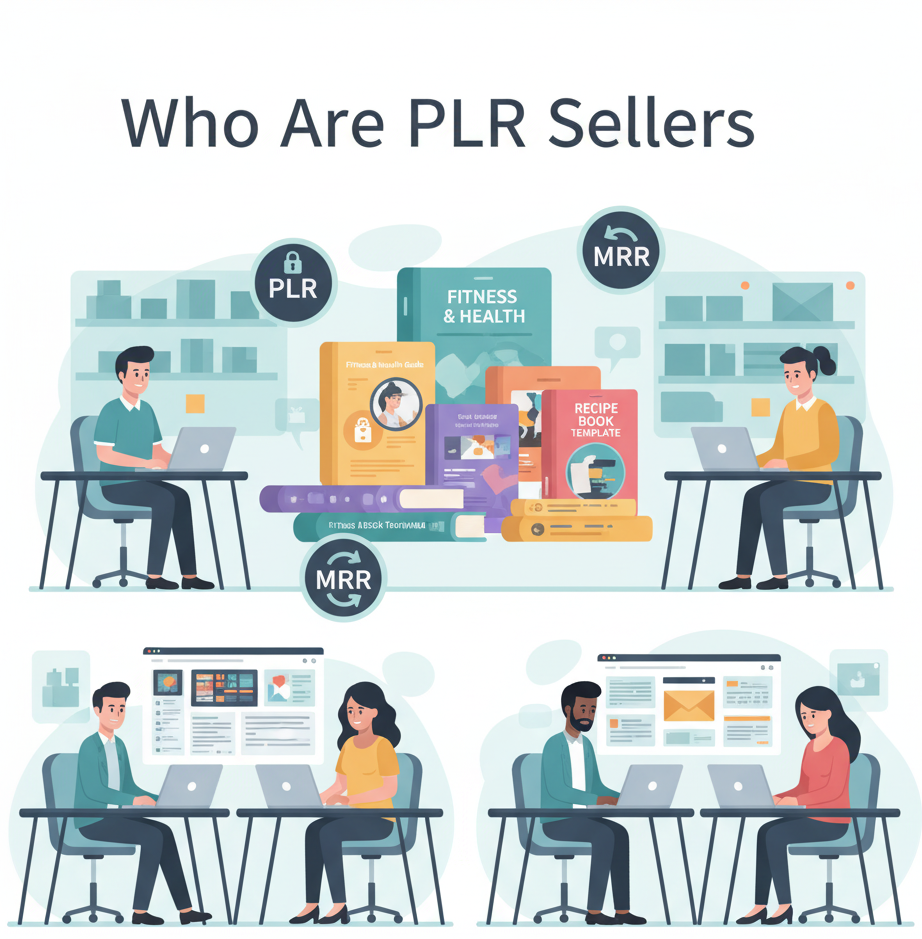
PLR sellers are individuals or businesses that sell digital products with private label rights, master resell rights, or other resell licenses. These products often include ebooks, online courses, templates, toolkits, software, graphics, email swipes, and training materials across multiple niches.
What makes PLR sellers unique is that they do not always create products from scratch. Instead, they acquire high-quality PLR or resell rights products, customize or bundle them, and then sell them under their own brand.
PLR sellers typically operate websites, online stores, sales funnels, blogs, or membership platforms. Their customers may include entrepreneurs, coaches, content creators, marketers, and small business owners who want ready-made digital products.
In 2026, successful PLR sellers understand that visibility is everything. With thousands of similar products online, the sellers who win are the ones who can be consistently found through search engines. This is exactly why understanding the Best SEO Strategies Tailored for PLR Sellers is no longer optional.
What Are SEO Strategies Tailored for PLR Sellers
SEO strategies tailored for PLR sellers are search engine optimization techniques specifically designed to address the unique challenges of selling PLR and resell rights products.
Unlike traditional ecommerce or service-based SEO, PLR SEO must deal with issues such as duplicate content, low differentiation, thin product descriptions, and high competition for generic keywords.
Tailored SEO strategies focus on transforming PLR content into unique, valuable assets that search engines trust and users engage with. They prioritize topical authority, long-tail keywords, content depth, internal linking, and conversion-focused search intent.
In simple terms, these strategies help PLR sellers turn similar products into unique brands, build organic traffic assets, and attract buyers who are actively searching for solutions.
The Best SEO Strategies Tailored for PLR Sellers are not about shortcuts. They are about positioning, relevance, and long-term growth.
Top 10 Advantages of Best SEO Strategies Tailored for PLR Sellers

Implementing the right SEO strategies provides PLR sellers with advantages that compound over time. Below are ten key benefits.
#1. SEO reduces dependency on paid ads. Once your pages rank, traffic continues to flow without daily ad spend.
#2. SEO attracts high-intent buyers. People searching for PLR products or solutions are often ready to purchase.
#3. SEO builds authority and trust. Ranking pages signal credibility to both users and search engines.
#4. SEO supports long-term income. Unlike social media posts, SEO content can generate traffic for years.
#5. SEO helps differentiate similar products. Custom content and positioning make your PLR offers stand out.
#6. SEO improves conversion rates. Targeted keywords bring the right audience to your store.
#7. SEO increases brand visibility. Even if users do not buy immediately, they become familiar with your brand.
#8. SEO supports content marketing. Blog posts, guides, and tutorials work together to boost rankings.
#9. SEO scales with your product catalog. Each optimized product page becomes a traffic asset.
#10. SEO creates business value. A site with strong SEO is more valuable, stable, and sellable.
These advantages explain why the Best SEO Strategies Tailored for PLR Sellers are among the smartest investments a PLR seller can make in 2026.
Top 10 Best SEO Strategies Tailored for PLR Sellers in 2026
Below is each strategy, explaining precisely how it works, why it is effective in 2026, and how PLR sellers can apply it for both rankings and revenue growth.
#1. Rewrite and expand PLR content for search intent
PLR content is designed for mass distribution, which means thousands of sellers may be using the same base material. Search engines are highly effective at detecting near-duplicate content, even when minor word changes are made. Uploading PLR content without significant enhancement almost guarantees weak rankings or complete invisibility.
Rewriting and expanding PLR content involves more than paraphrasing. It requires restructuring the content around a specific search intent. Informational intent demands depth, explanations, and education. Commercial intent requires comparisons, benefits, and decision-making guidance. Transactional intent must focus on clarity, trust, and conversion elements.
By adding original insights, real-world examples, updated trends, and niche-specific use cases, the content becomes genuinely useful. Search engines reward this because their primary objective is to satisfy the user’s query as completely as possible. When a page clearly answers the user’s question better than competing pages, it earns higher engagement metrics, which reinforces rankings over time.
#2. Focus on long-tail and buyer-intent keywords
Broad keywords attract mixed audiences and intense competition. For PLR sellers, ranking for generic terms often brings visitors who are researching rather than buying. Long-tail and buyer-intent keywords reflect a user who already understands the concept and is closer to making a purchase.
These keywords usually include qualifiers such as niche, use case, licensing type, or problem-specific phrasing. While search volume may be lower, the traffic quality is significantly higher. Visitors arriving through these queries are more likely to convert because the content aligns exactly with their expectations.
This strategy is effective because it shortens the sales cycle. Instead of educating from scratch, the page meets the user at their current awareness level. Search engines also favor long-tail pages because they tend to deliver higher satisfaction rates, which improves rankings even with less competition.
#3. Build topical authority with content clusters
Modern search algorithms evaluate websites as subject-matter resources rather than collections of individual pages. A single high-quality article is no longer enough to demonstrate expertise. Topical authority is built when multiple interconnected pieces of content cover a subject comprehensively.
Content clusters work by organizing information logically. A pillar page covers a broad topic in depth, while supporting articles address subtopics, questions, and practical applications. Internal links connect all related content, reinforcing relevance.
This approach is effective because it helps search engines understand the scope of your expertise. When your site consistently covers related topics with depth and coherence, it becomes a trusted source. As a result, multiple pages within the cluster rank more easily, and new content gains traction faster due to the existing authority.
#4. Optimize PLR product pages beyond descriptions
Many PLR product pages fail because they resemble simple catalogs. Search engines and users expect more. A product page should function as both a sales page and a knowledge resource.
Expanding product pages with use cases, implementation ideas, frequently asked questions, and comparisons addresses common buyer objections directly. Including original visuals or walkthroughs further differentiates the page from competitors using the same PLR materials.
This strategy is effective because it satisfies high-intent searches completely. Users searching for PLR products are often ready to buy but need reassurance. Pages that answer all relevant questions reduce friction, increase dwell time, and improve conversion rates. Search engines interpret this strong engagement as a sign of quality and relevance.
#5. Use educational blog content to pre-sell PLR products
Educational content attracts users at earlier stages of the buying journey. Rather than pushing products immediately, this strategy focuses on solving problems and building understanding first.
Tutorials, guides, and case studies naturally introduce PLR products as tools or solutions. This positions the product as helpful rather than promotional. Readers who trust the information are far more receptive to recommendations.
This method is effective because it builds authority and trust before the sale. Search engines favor content that educates and retains users, while conversions increase because visitors feel informed and confident. Over time, this creates a sustainable traffic-to-sales pipeline that does not rely on aggressive selling tactics.
#6. Improve internal linking for SEO and conversions
Internal linking serves both technical and behavioral purposes. From an SEO perspective, it helps search engines discover pages, understand their importance, and distribute ranking signals across the site.
From a user perspective, internal links guide visitors through relevant content paths. Instead of leaving the site, users are directed to related articles or products that match their interests.
This strategy is effective because it increases page views, time on site, and conversion opportunities. Well-structured internal linking turns organic traffic into guided journeys, improving both rankings and revenue without additional advertising spend.
#7. Optimize for experience signals
Search engines increasingly rely on user experience data to evaluate content quality. Metrics such as load speed, mobile usability, readability, and engagement are strong indicators of whether a page satisfies users.
PLR sellers often underestimate how much technical and design factors influence SEO. Slow pages, cluttered layouts, and confusing navigation increase bounce rates, which negatively impact rankings.
Optimizing for experience works because it aligns with search engine goals. When users can easily consume content, navigate pages, and complete purchases, engagement improves. Search engines interpret these signals as validation that the site deserves higher visibility.
#8. Use SEO-optimized lead magnets
Lead magnets extend the value of SEO beyond a single visit. By offering relevant free resources, PLR sellers capture email subscribers who can be nurtured over time.
Optimizing lead magnet pages for specific keywords ensures they attract targeted organic traffic. Promoting these pages through blog content further strengthens their visibility and relevance.
This strategy is effective because it converts organic traffic into a long-term asset. Even if a visitor does not buy immediately, they remain within your ecosystem. Engagement metrics on these pages also support SEO indirectly by signaling usefulness and relevance.
#9. Update and refresh content regularly
Search behavior and market trends evolve constantly, especially in digital product niches. Content that was accurate a year ago may no longer fully satisfy user expectations.
Regular updates demonstrate that a site is active, relevant, and maintained. Adding new examples, improving clarity, and aligning content with current trends often leads to ranking improvements without creating new pages.
This strategy works because search engines prioritize freshness when relevance is time-sensitive. Refreshed content also re-engages returning users and signals ongoing authority in the niche.
#10. Build trust through transparency and branding
Trust influences both rankings and conversions. Search engines evaluate signals such as brand consistency, transparency, and legitimacy when determining credibility.
Clear licensing explanations, refund policies, and support information reduce buyer hesitation. Author bios, contact details, and about pages reinforce authenticity. Consistent branding creates familiarity and recognition.
This strategy is effective because it supports every other SEO effort. Even well-ranked pages fail if users do not trust the site. By reinforcing credibility, PLR sellers improve engagement, conversions, and long-term search visibility simultaneously.
Together, these strategies form a cohesive framework. Each element strengthens the others, ensuring that SEO efforts not only attract traffic but convert that traffic into sustainable revenue for PLR sellers in 2026.
Conclusion: SEO Strategies Tailored for PLR Sellers
SEO is no longer optional for PLR sellers who want consistent, long-term success. In 2026, the sellers who win are those who understand how to position PLR products as valuable solutions rather than generic downloads. By implementing the Best SEO Strategies Tailored for PLR Sellers, you can attract high-quality traffic, build authority in your niche, and create predictable income streams that grow over time.
Here are some of our most popular posts: passive income stream with resell rights, Things you must do before selling PLR products, How to use facebook ads and google ads to sell digital products, Dropshipping vs digital products, 10 best digital products to sell, Ecommerce and selling strategies, Best payment gateways for digital product store, Affiliate marketing vs selling digital products, How to Generate PLR Content with AI, How AI is Reshaping Digital Products and PLR
If you found this guide helpful, be sure to read more posts like this. We publish daily practical and engaging articles designed to help PLR sellers, digital entrepreneurs, and resell rights marketers succeed in a competitive online landscape.
Also, take time to explore our up-to-date, curated PLR store, where you will find high-quality PLR and other resell rights products across multiple niches, carefully selected to help you build, scale, and monetize your digital business more effectively.