Anytime the discussion of starting an online business comes up, I always remember what Jack Ma, the founder of Alibaba Group, said about starting his e-commerce business back in the day. People laughed and felt he was joking or even crazy because the whole idea sounded unreal, and at the time, China did not even have the right infrastructure to accommodate online business, as it took over 30 minutes for just the home page to load when he wanted to register the business.
Interestingly, starting an online business today is serious business and no longer about simply creating a website and hoping for the best. That is why it’s important to know the essential things you need to start an online business successfully. These will give you the right footing so that you can avoid preventable mistakes.
Online business has grown into something far more structured, competitive, and opportunity-rich at the same time. The digital gold rush is not over, but it has matured into a system where those who understand strategy, tools, and compliance are the ones who win.
What has changed significantly is the barrier to entry. In the past, lack of capital or technical knowledge was the main obstacle. In 2026, the challenge is no longer access but direction. Artificial intelligence now assists with content creation, product research, and even customer service. Automated tax compliance systems are being enforced globally, including frameworks like the 2026 tax regulations affecting digital earnings. At the same time, micro-learning has made it easier than ever to acquire skills quickly, meaning more people are entering the online business space daily.
This guide is designed to give you a complete, modern blueprint. It brings together the essential things you need to start an online business and shows you how to move from a simple idea or side hustle into a structured, scalable venture that can grow sustainably.
Understanding these essentials is not optional anymore. It is the difference between building something that survives and something that scales.
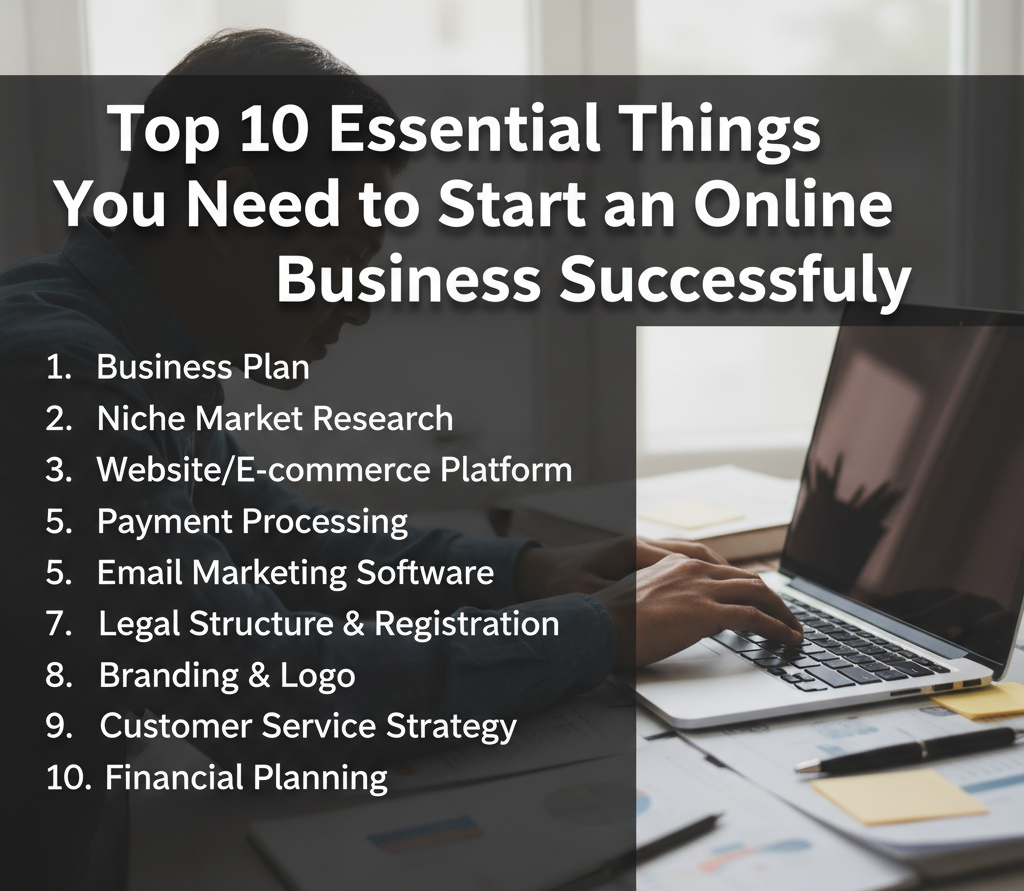
Top 10 Essential Things You Need to Start an Online Business Successfully
#1. A validated market-first niche
One of the most important things you need to start an online business is clarity about what you are offering and who actually needs it. Many beginners start with passion alone, assuming that interest automatically translates to demand. In reality, successful online businesses are built on what can be described as a market-first approach rather than a passion-first approach.
This means your idea must be rooted in a clear problem that people are actively trying to solve. Instead of asking what you like, the better question is what people are already searching for, struggling with, or willing to pay to fix.
In 2026, this process has become more sophisticated with the help of AI-driven tools and data platforms. Tools like advanced trend analysis systems, social listening platforms, and search insights help identify emerging opportunities in areas such as sustainability, AI consulting, digital education, and hyper-local services.
The smartest approach is to validate your idea before fully committing to it. This is where building a minimum viable product becomes critical. Rather than launching a full business immediately, you can create a simple landing page, a basic product, or even a small test offer. This allows you to measure real demand through clicks, sign-ups, or purchases.
Validation reduces risk and ensures that you are not investing time and money into something that lacks market demand.
#2. A robust digital infrastructure
Your online business needs a home base, and that home base is your digital infrastructure. This includes your domain name, hosting, and website platform. Owning your domain is more important than ever because relying solely on social media platforms exposes you to risks such as account bans, algorithm changes, or platform restrictions.
A professional domain builds credibility and gives you full control over your brand. Your website then becomes the central hub where customers learn about your products, interact with your content, and complete transactions.
In terms of technical requirements, speed and reliability are critical. A slow website leads to high bounce rates and lost sales. In 2026, there is also increasing attention on sustainability, and using environmentally friendly or carbon-neutral hosting can even become part of your brand positioning.
There are several tools available to build your infrastructure. Website builders offer simplicity, while self-hosted solutions provide flexibility. The key is to choose a platform that aligns with your business model and long-term goals rather than just short-term convenience.
#3. Choosing the right business model
Another essential factor is selecting a business model that fits your resources, skills, and market opportunity. Not all online businesses operate the same way, and understanding your model determines how you generate revenue and scale.
Digital and information products remain one of the most attractive models due to their low overhead and high profit margins. These include ebooks, courses, templates, and digital services. Once created, they can be sold repeatedly without a high additional cost.
Software-based models, including micro SaaS, are also growing rapidly. These involve offering a service or tool on a subscription basis, generating recurring revenue over time. While this model may require more technical input, it provides strong long-term stability.
E-commerce continues to evolve with options such as dropshipping, print-on-demand, and hybrid models. Each comes with its own advantages and limitations. The key is to understand logistics, customer expectations, and profit margins before choosing a path.
Your business model should align with your strengths and the type of value you want to deliver.
#4. Legal registration and entity structure
Transitioning from a casual side project to a legitimate online business requires a proper legal structure. This is one of the most overlooked things you need to start an online business, yet it is critical for long-term success.
Registering your business allows you to open a business bank account, enter into contracts, and build trust with partners and customers. It also provides legal protection by separating your personal assets from your business liabilities.
Structures such as limited liability companies or limited entities are commonly used because they offer flexibility and protection. In 2026, compliance requirements have become more structured globally, meaning that operating informally can lead to limitations or penalties.
There is also a growing focus on economic presence rules. Even if you operate online, your income may be subject to regulations in different jurisdictions depending on where your customers are located.
Setting up your business properly from the beginning saves you from complications later.
#5. A digital-first tax and compliance system
Taxation in the digital space has evolved significantly. Governments are now tracking online transactions more effectively, including income from freelancing platforms, social media sales, and digital products.
This means that managing your finances manually is no longer efficient or reliable. One of the essential things you need to start an online business today is a structured system for tracking income, expenses, and tax obligations.
Modern accounting tools simplify this process by automating record-keeping and generating reports. These systems help you understand your financial position and ensure that you remain compliant with regulations.
In 2026, digital invoicing is becoming a standard requirement in many regions. Without proper records, you may not qualify for certain tax benefits or deductions.
A proactive approach to compliance not only protects your business but also positions you for growth and partnerships.
#6. A frictionless payment gateway
A key part of any online business is the ability to receive payments easily and securely. Customers expect a seamless experience, and any friction in the payment process can result in lost sales.
If a customer cannot complete a transaction quickly, they are likely to leave and find an alternative. This is why having a reliable payment system is essential.
Modern payment gateways support multiple currencies, making it easier to serve a global audience. This is particularly important in the current creator economy, where customers can come from different countries.
Security is another critical factor. Customers need to trust that their information is protected. Implementing secure systems and ensuring compliance with payment standards builds confidence and encourages repeat transactions.
A smooth payment process directly impacts your conversion rates and revenue.
#7. A data-driven marketing strategy for your online business
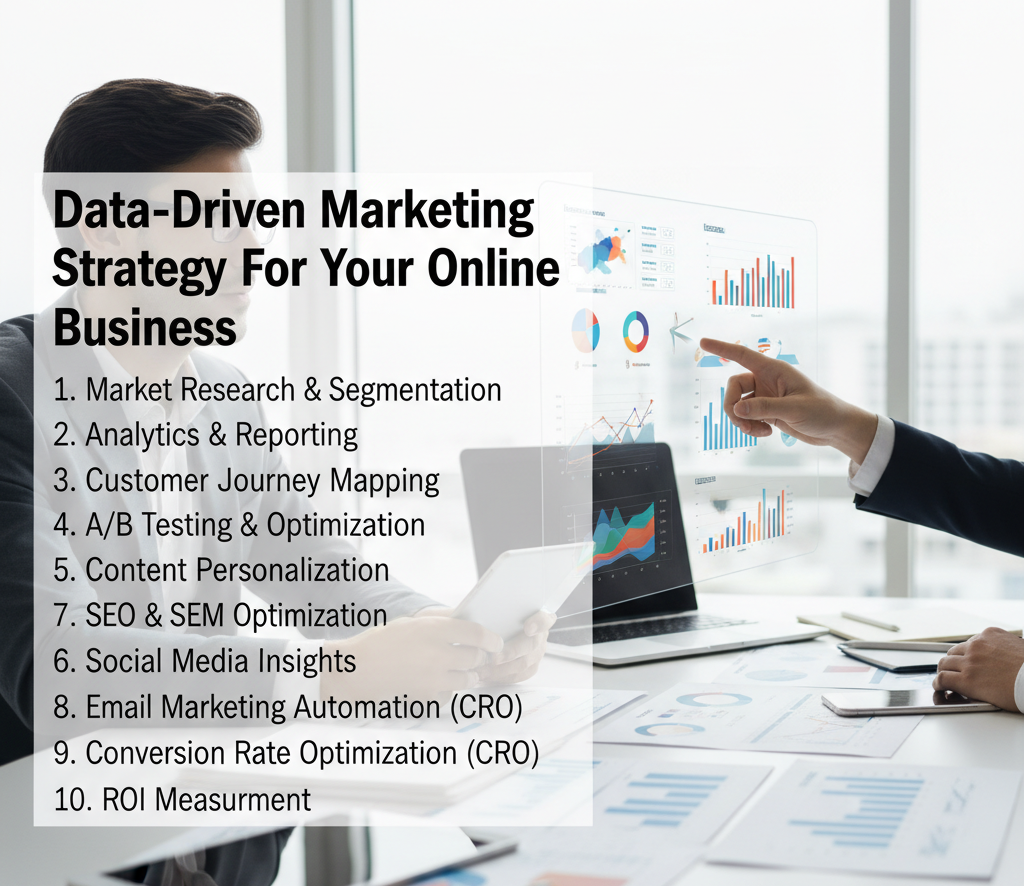
Marketing is the engine that drives visibility and growth for your online business. Without it, even the best products remain hidden. In 2026, marketing is no longer about guesswork but about data and strategy.
Search engine optimization remains a powerful tool, but it has evolved beyond simple keyword usage. It now focuses on understanding user intent and delivering content that answers specific questions effectively.
Social commerce has also become a major channel, allowing businesses to sell directly through platforms. Collaborating with niche influencers and creating engaging content can significantly boost reach and sales.
Email marketing continues to be one of the most reliable strategies because it allows you to build an audience that you own. Unlike social media, where algorithms control visibility, your email list gives you direct access to your customers.
The key is to combine these channels into a cohesive strategy that aligns with your business goals.
#8. Visual identity and brand voice
In a digital world filled with automation and AI-generated content, authenticity has become one of the most valuable assets. Your brand is not just about visuals but also about how you communicate and connect with your audience.
A strong visual identity includes a consistent color scheme, professional design, and a recognizable style. These elements help your business stand out and create a lasting impression.
Equally important is your brand voice. This is how you express your message, whether through your website, social media, or customer interactions. A clear and consistent tone builds trust and strengthens your relationship with your audience.
Branding is not just about looking good but about creating a meaningful connection that encourages loyalty.
#9. Operations and automation tools
Efficiency is a major factor in scaling an online business. As your business grows, managing tasks manually becomes increasingly difficult. This is where automation and operational tools come in.
Modern tools allow you to automate customer service, manage relationships, and streamline workflows. This reduces the need for constant manual input and allows you to focus on strategy and growth.
Customer relationship management systems help you organize interactions and maintain strong connections with your audience. Automation tools handle repetitive tasks such as email sequences and order processing.
The goal is to build a system that can grow without requiring a proportional increase in effort or resources.
#10. Financial buffer and growth plan for your online business
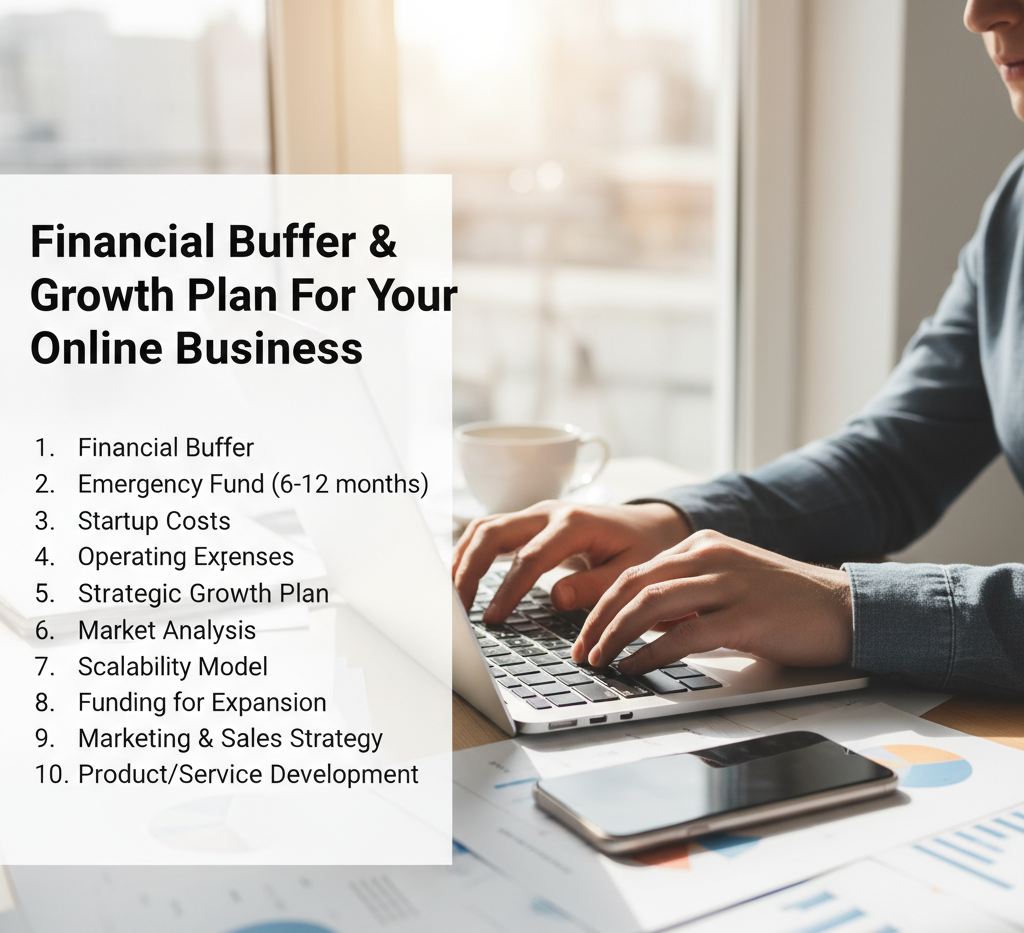
Finally, one of the most practical things you need to start an online business is a clear financial plan. Many businesses fail not because of poor ideas but because of poor financial management.
Having a financial buffer allows you to sustain operations while your business gains traction. A common approach is to estimate your expenses for several months and ensure that you have enough resources to cover them.
Equally important is having a growth plan. This involves setting realistic goals, tracking performance, and making adjustments based on data. Not every strategy will work immediately, and being willing to adapt is essential.
A structured plan gives you direction and helps you make informed decisions as your business evolves.
Conclusion: Things You Need to Start an Online Business
Building a successful online business now requires a combination of strategy, knowledge, and execution. It is no longer enough to simply start; you need to start with intention and structure.
From identifying a validated niche and setting up a strong digital infrastructure to managing compliance, marketing effectively, and leveraging automation, each element plays a crucial role in your success.
The most important takeaway is that you do not need to have everything perfect before you begin. What matters is that you start with the right foundation and remain committed to learning and improving.
Success in today’s digital economy comes from the balance between innovation and structure. If you focus on the essential things you need to start an online business and apply them consistently, you position yourself not just to participate in the digital space but to thrive within it.