Welcome to your trusted source for everything PLR. If you’ve ever wondered whether, is it legal to edit and sell PLR content in 2025, you’re not alone. Many digital entrepreneurs, bloggers, and creators are asking the same question. As copyright and intellectual property laws evolve, it’s natural to be cautious. The truth is simple: it’s perfectly legal to edit and sell PLR content if you follow the proper licensing terms.
some of our most popular post, passive income stream with resell rights, Things you must do before selling PLR products, How to use facebook ads and google ads to sell digital products, Dropshipping vs digital products, 10 best digital products to sell, Ecommerce and selling strategies, , Best payment gateways for digital product store, Affiliate marketing vs selling digital products, How to Generate PLR Content with AI, How AI is Reshaping Digital Products and PLR
This guide will walk you through everything you need to know about how private label rights work, what’s legal, and how to use them to grow your online business.
The History and Evolution of PLR
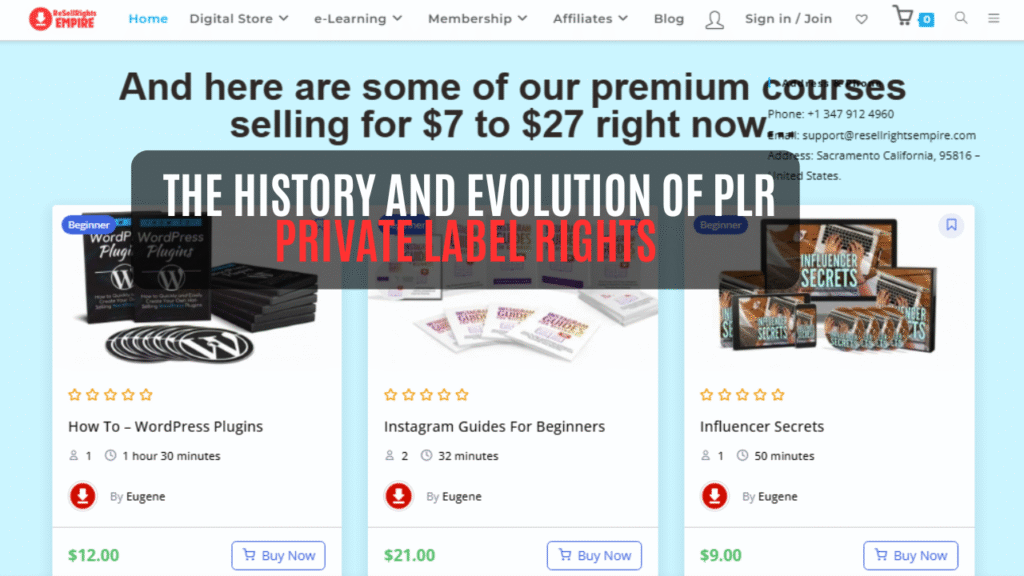
To understand how PLR works today, it helps to look back at how it started and evolved over the years.
PLR began in the early 200s as a simple content solution for marketers who needed quick access to written materials like articles and short reports. It was mainly used by affiliate marketers and bloggers to save time.
During 2005 – 2010, PLR exploded across online marketplaces. Bundled content packs became the norm, covering hundreds of niches from health to finance.
PLR expanded in 2011 – 2015 beyond text-based articles to include eBooks, templates, graphics, and software. This opened the door for creative marketers to build entire product lines from Private label rights.
As the market became saturated in 2016 – 2020, creators began emphasizing design, usability, and premium quality over mass content production.
Today, PLR has evolved into a multimedia powerhouse. With the help of AI tools, creators now generate video courses, interactive templates, and even editable video PLR assets.
Is It Legal to Edit and Resell PLR Content in 2025?
Yes, it is completely legal to edit and resell private label rights content in 2025, as long as you understand and follow the licensing terms. Many creators assume that once they buy a PLR product, they have total ownership and can do whatever they want with it. That’s not entirely true. While PLR gives you significant creative freedom, those rights still operate within specific legal boundaries. Think of it like renting a house—you can decorate, remodel, and personalize it, but you don’t actually own the property itself.
Let’s break down what this means for you as a digital creator or online business owner.
PLR Licenses Grant You Rights
When you purchase a PLR product, you’re not buying the content itself; you’re purchasing a license that grants you certain usage rights. This is what makes PLR different from standard copyrighted materials. The original creator or author allows you to modify, rebrand, and sell the product as if it were your own.
With PLR rights, you can edit the content to match your brand’s voice, update it with your expertise, and even change the design and layout. You can rename the product, place your logo on it, and present it as something entirely new. You’re also free to sell it on your website, through your online store, or as part of your marketing funnel.
However, it’s important to understand that private label rights don’t make you the exclusive owner of the content. Other people may have purchased the same PLR product, which means customization is essential if you want your version to stand out. You’re essentially given the creative license to transform existing material into something valuable and unique for your audience.
Restrictions Still Apply
Even though PLR content is flexible, it’s not without limitations. Each Private label rights product comes with a specific set of rules, and violating them could lead to serious consequences, including legal action or account suspension on certain platforms. These restrictions exist to protect both the original creator and the marketplace from misuse.
For instance, most PLR licenses do not allow you to resell the Private label rights license itself. This means you can sell the finished product you’ve created, but you can’t let your buyers edit and resell it again as PLR. You also can’t give away the content for free unless the license specifically allows it. Many creators restrict free distribution because it can damage the perceived value of their work.
Certain platforms may also have restrictions. Some licenses forbid uploading PLR-based content to Amazon Kindle, Udemy, or other third-party marketplaces that enforce strict originality policies. Another key restriction is copyright ownership. Even though you can brand and sell the content under your name, you do not automatically own the original copyright unless the license clearly transfers it to you.
In simple terms, PLR gives you commercial rights to use and sell the product, but within defined boundaries. Respecting those rules ensures that you operate legally and maintain trust within the digital marketplace.
Always Read the License Agreement
One of the biggest mistakes new PLR users make is skipping the license agreement. Every PLR product includes a document—usually titled “License Terms” or “Terms of Use” that outlines exactly what you can and cannot do. It may seem tedious to read, but this step can save you from potential copyright disputes or account issues in the future.
Before modifying or selling any PLR product, review the license carefully. Check if resale, redistribution, or free giveaways are allowed. See whether you can claim authorship, include it in membership sites, or bundle it with other products. Some Private label rights licenses even specify whether you can use the material in digital courses or newsletters. If anything seems unclear, it’s best to contact the PLR provider directly for clarification.
Reading the license agreement ensures you’re not unintentionally breaking any rules. It also helps you plan how to use the content more effectively—whether as a standalone product, part of a funnel, or a lead magnet.
By reading and respecting the license, customizing the content, and using it strategically, you can turn PLR into a powerful tool for building your online business. Done right, PLR isn’t just a time-saver, it’s a legitimate and profitable way to create products, build authority, and generate consistent income in today’s digital economy.
What Can You Legally Edit in PLR Content?
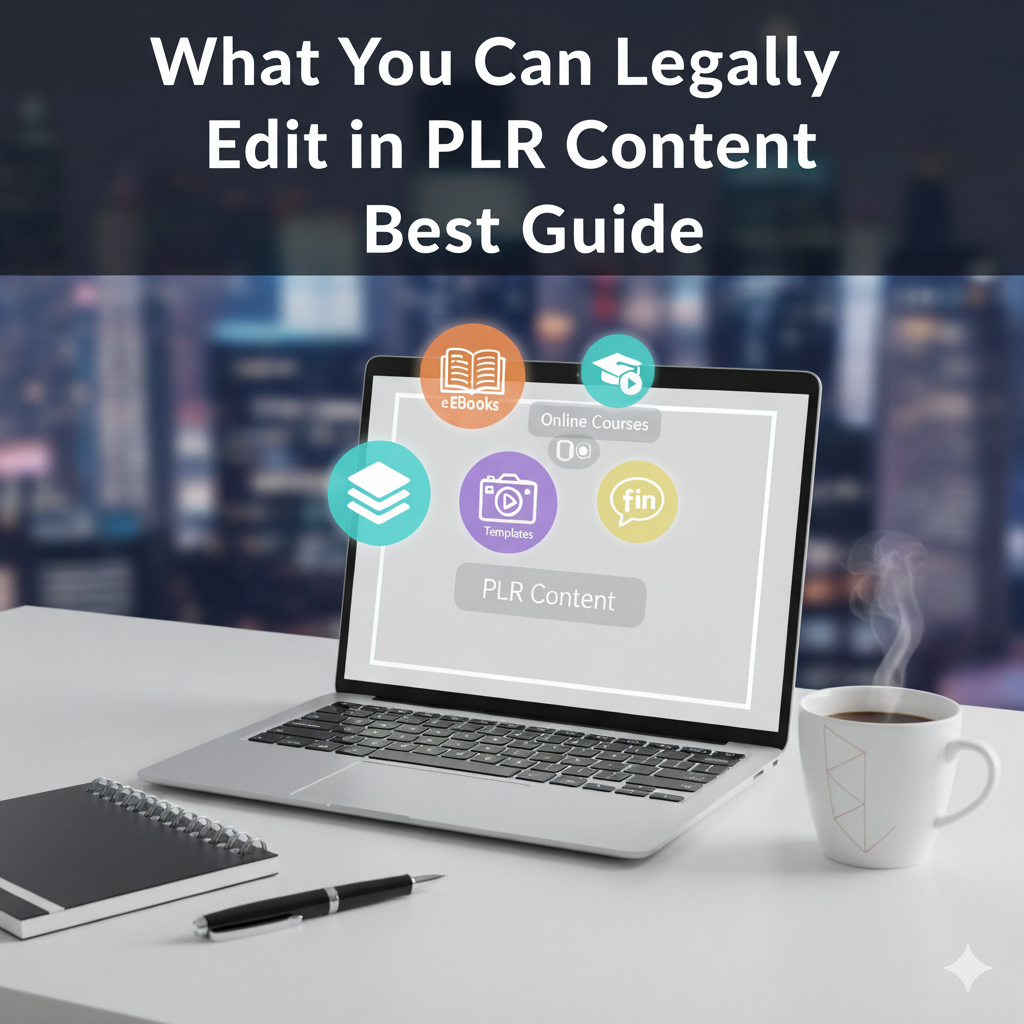
Editing PLR content is not only legal—it’s the key to making it truly valuable. The entire purpose of Private Label Rights is to give you the freedom to transform a piece of content into something that reflects your voice, your brand, and your business goals. In 2025, customization is what separates generic PLR from premium, profit-generating digital products. Let’s explore what you can legally and creatively modify to make your PLR content stand out.
#1. Title and Branding: One of the first and most important changes you can make to a Private label rights product is its title and overall branding. The title sets the first impression, so make sure it reflects your style and the promise your product delivers. You can rename the eBook, course, or template to fit your niche or marketing message. Adding your business logo, colors, and design elements helps align the product with your brand identity.
This not only makes it look more professional but also increases perceived value and trust among your audience. A simple title change can completely shift the positioning of your PLR product—from a generic “Social Media Tips” eBook to something like “Social Media Mastery for Busy Entrepreneurs.”
#2. Author Name: PLR licenses generally allow you to replace the original creator’s name with your own or your company’s. This is one of the biggest advantages of using PLR—you can present yourself as the author or expert behind the material. This builds authority and credibility in your niche.
When customers see your name attached to a well-written guide or course, they associate the value of that content with your brand. However, it’s best to avoid misleading claims; for instance, don’t claim you conducted research or wrote case studies that came with the original PLR. Instead, focus on enhancing and personalizing the content to make it authentically yours.
#3. Content Structure: You’re free to edit the structure of private-label rights content as much as you like. This means rearranging sections, deleting outdated information, and adding new material to improve flow and readability. If you’re turning a PLR eBook into a course, you can break chapters into lessons, add exercises, or insert video explanations. If it’s a PLR article or blog post, you can reformat it with subheadings, bullet points, and infographics. Updating the structure not only improves user experience but also gives your product a fresh perspective that stands apart from the original. In many cases, even small adjustments—like rewriting the introduction or adding summaries—can transform an average PLR file into a high-quality, branded resource.
#4. Visuals and Graphics: Visual presentation is everything in today’s digital market. You can legally change every visual element of your PLR product to suit your design style and audience. This includes replacing stock images, icons, cover pages, charts, and layout designs. Tools like Canva, Visme, and Adobe Express make it easy to redesign PLR graphics within minutes. If you’re using PLR for social media content, consider rebranding the posts with your fonts, colors, and watermark. For eBooks and reports, redesigning the cover or formatting the interior pages gives your product a professional finish. These changes not only make your content visually appealing but also help it blend seamlessly with your existing brand assets.
#5. Calls-to-Action (CTAs): Every PLR product is an opportunity to drive engagement and sales when you insert your own calls-to-action. You can include links to your website, email list, products, or social media pages. For instance, if the original PLR guide ends with a general conclusion, replace it with a personalized CTA inviting readers to book a consultation, sign up for your course, or download another free resource. This simple step turns PLR from static content into a strategic marketing tool. Just make sure your CTAs feel natural and value-driven rather than overly promotional. A well-placed CTA can be the difference between a passive reader and an active customer.
#6. Tone and Voice: Every audience has a preferred communication style, and that’s where adjusting tone and voice becomes essential. Private label rights content is typically written in a neutral tone to suit a wide range of users, but you can rewrite it to reflect your brand personality. For instance, if your audience prefers a friendly, conversational approach, you can make the language more casual and relatable. If your brand targets professionals or corporate clients, you can make the tone more formal and data-driven. Changing the tone not only improves engagement but also ensures that your audience connects emotionally with your content. This step is especially useful for bloggers, coaches, and marketers who want to sound authentic and approachable.
#7. Examples and Case Studies: Adding real-life examples or case studies to your Private label rights content gives it credibility and depth. Readers love content that feels practical and relatable. You can include stories from your own business experiences, highlight success stories from your clients, or reference industry trends and data to reinforce your points. For example, if you’re using PLR about “Email Marketing for Beginners,” you might add a short case study showing how one of your campaigns improved open rates. These additions not only make the content unique but also boost your authority as an expert in your field.
The beauty of PLR lies in its flexibility. You’re free to reimagine and recreate the content in ways that match your business goals, marketing style, and audience needs. From changing the title and visuals to rewriting sections and adding your own case studies, each edit adds value and originality.
The more effort you put into customizing your Private label rights, the more powerful and profitable it becomes. When done right, your edited PLR won’t look like reused material—it will look like an original, professional product that your audience can trust and pay for.
Best Types of PLR Content to Edit and Sell
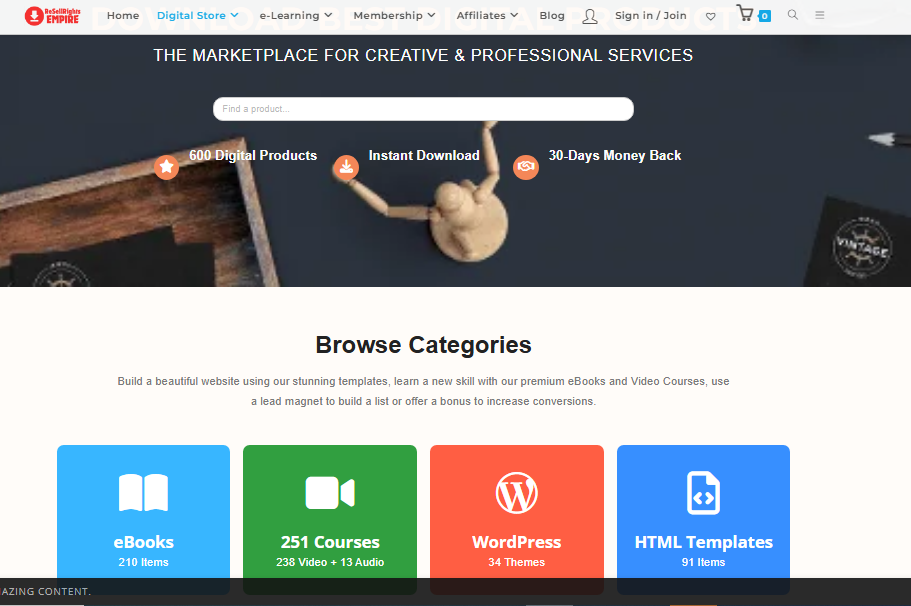
Not all PLR content performs equally well in the marketplace. Some formats naturally offer more flexibility, higher perceived value, and stronger demand. In 2025, the most profitable PLR content types are those that can be easily rebranded, repurposed, and integrated into digital products, memberships, or marketing funnels. Here’s an in-depth look at the best types of PLR content to edit and sell this year.
#1. EBooks: PLR eBooks remain one of the most timeless and profitable forms of digital content. They are easy to rebrand with your own title, cover design, and author name, and can be positioned as premium products or free lead magnets to grow your audience. You can sell them directly on platforms like Gumroad, Payhip, or Etsy, or include them as bonuses in your courses and coaching programs. Editing the content—such as updating statistics, refining tone, and adding real-life examples—instantly boosts value and originality. Whether your niche is business, wellness, or personal development, eBooks continue to attract buyers looking for quick, informative reads.
#2. Online Courses: Online learning continues to explode in popularity, and PLR courses are an incredible shortcut to entering the e-learning market. These pre-written materials can be restructured into your own video lessons, workshops, or email training programs. By adding your personal teaching style, branded visuals, and bonus materials, you can turn a generic Private label rights course into a professional, high-ticket product. Coaches, consultants, and trainers especially benefit from this type of PLR, as it helps them launch educational content quickly without starting from scratch. Courses also allow for flexible monetization—through one-time payments, subscriptions, or bundled offers.
#3. Email Sequences: PLR email sequences are gold for affiliate marketers, product creators, and service providers. These pre-written series can be customized to fit your brand’s tone, audience, and offer. You can rewrite subject lines, personalize calls-to-action, and tailor the message flow to suit specific campaigns—whether it’s a product launch, welcome series, or sales funnel. Since writing persuasive emails takes skill and time, buyers are always looking for ready-made solutions. With a few edits, you can transform a generic PLR email pack into a conversion-driven marketing asset that sells itself.
#4. Social Media Packs: Social media PLR packs are among the most in-demand products today. They typically include editable graphics, captions, post ideas, and hashtags designed for platforms like Instagram, Facebook, LinkedIn, and TikTok. You can rebrand these assets with your fonts, colors, and style to match your audience’s vibe. Because consistent posting is key to social growth, many entrepreneurs prefer buying pre-made content they can quickly customize. Selling rebranded social media packs—such as “30 Days of Instagram Posts for Coaches” or “Canva Reels Templates for Small Businesses”—can become a recurring revenue stream.
#5. Video Content: Video-based PLR is a growing niche with immense profit potential. These include short tutorials, explainer videos, or training lessons that you can re-edit, re-voice, or combine into a complete course. You can add branded intros, new visuals, and updated scripts to make them more engaging and relevant. Video PLR performs well on YouTube, online courses, and membership platforms because audiences love learning through video. You can also monetize by embedding affiliate links, promoting services, or selling exclusive access to private training sessions.
#6. Workbooks and Checklists: Workbooks and checklists add practical value to any learning experience. They make information more interactive and help users take actionable steps. You can edit Private label rights versions by adding your logo, rephrasing questions, or integrating them with your online course or coaching program. These products are perfect for building engagement and perceived expertise. Many creators bundle them with eBooks, webinars, or workshops to create complete learning kits. In niches like productivity, business coaching, and personal development, well-designed checklists can generate consistent passive income.
#7. Blog Posts and Articles: Blog posts and articles are among the easiest PLR assets to edit and repurpose. They’re perfect for improving your website’s SEO, growing your content library, or maintaining a consistent posting schedule. You can rewrite paragraphs, change examples, and optimize keywords to fit your niche and audience. PLR articles can also be combined into eBooks, newsletters, or social media threads for multi-channel use. In 2025, with the rise of AI-assisted writing tools, many businesses prefer using high-quality PLR as a foundation rather than writing from scratch—saving both time and resources.
Conclusion: Is it legal to edit and sell PLR?
Editing and reselling PLR content is entirely legal in 2025, but legality depends on how well you follow the rules. The Private label rights license gives you permission to modify, rebrand, and sell the material, but it doesn’t grant full ownership. You’re essentially sharing the creative rights with other buyers under the terms defined by the creator.
some of our most popular post, passive income stream with resell rights, Things you must do before selling PLR products, How to use facebook ads and google ads to sell digital products, Dropshipping vs digital products, 10 best digital products to sell, Ecommerce and selling strategies, , Best payment gateways for digital product store, Affiliate marketing vs selling digital products, How to Generate PLR Content with AI, How AI is Reshaping Digital Products and PLR
PLR is not a shortcut—it’s a business strategy. When used correctly, it can save time, increase productivity, and help you build a sustainable digital income stream. The key is understanding the legal framework and creating something unique from the original content.
If you’re ready to start, check out our PLR store for premium content you can edit and sell today. And be sure to bookmark our blog for more tutorials, insights, and success stories about making money online with PLR.
So the next time someone asks, “Is it legal to edit and sell Private label rights?” you can confidently say yes—it’s not only legal but also one of the smartest ways to build an online business in 2025.